
DR. NECDET DERİCİ, MD.
Gastric Sleeve and Gastric Bypass turkey
Gastric bypass and gastric sleeve are very similar procedures. Both gastric bypass and gastric sleeve surgeries can be effective tools in achieving long-term weight loss.
Calculate Boby Mass IndexBefore & After Photos
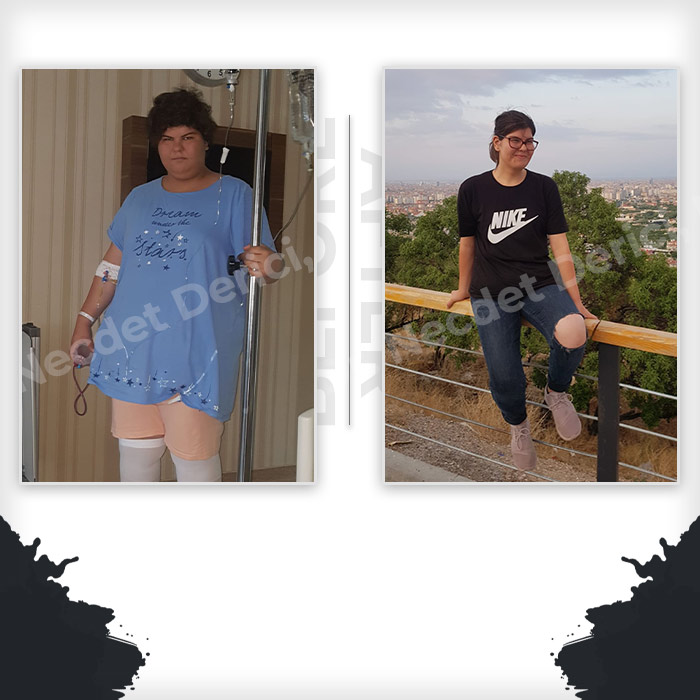 Weight Loss: 65KG
Before: 140KG & After: 75KG
Weight Loss: 65KG
Before: 140KG & After: 75KG
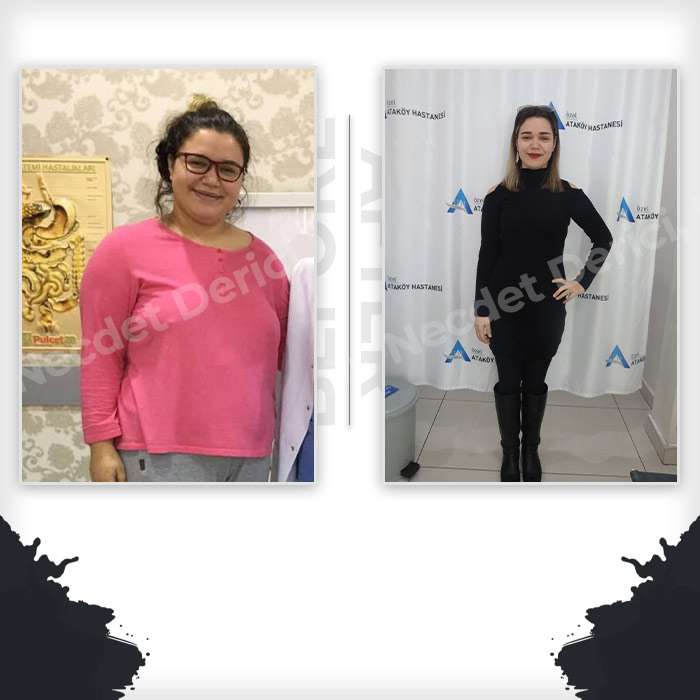 Weight Loss: 50KG
Before: 115KG & After: 65KG
Weight Loss: 50KG
Before: 115KG & After: 65KG
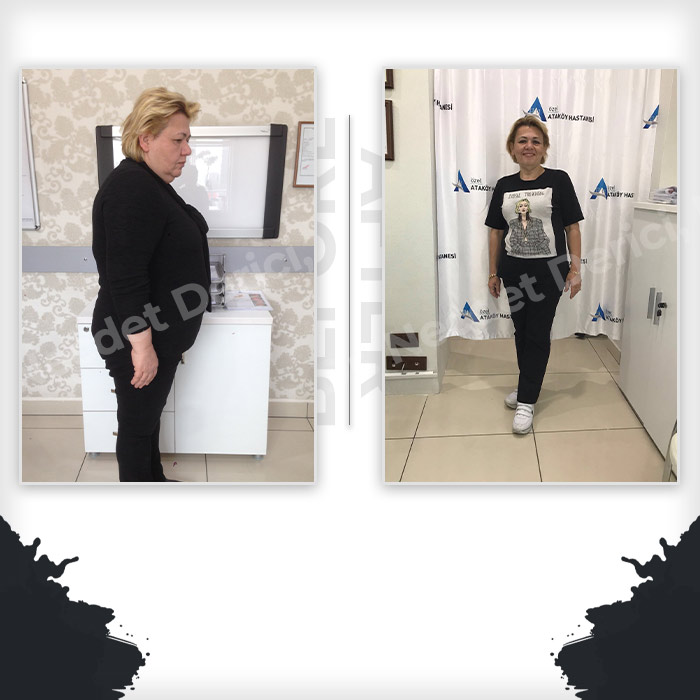 Weight Loss: 38KG
Before: 106KG & After: 68KG
Weight Loss: 38KG
Before: 106KG & After: 68KG
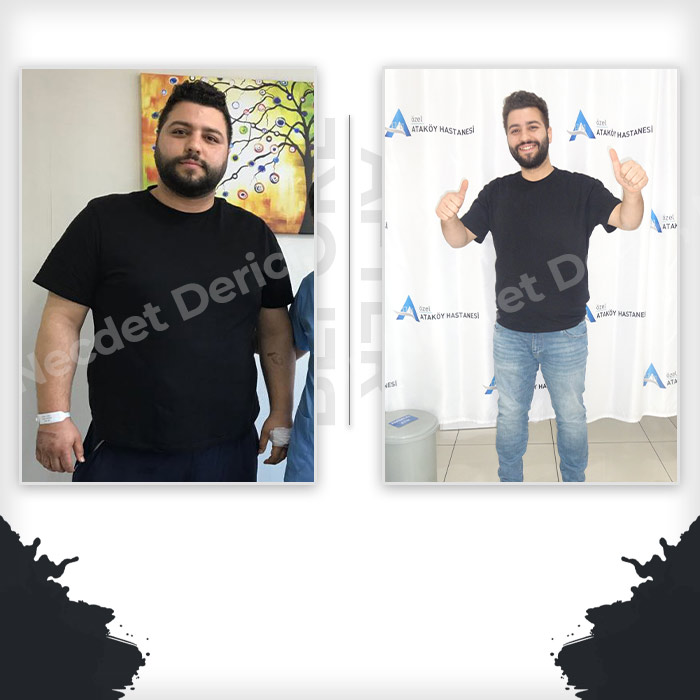 Weight Loss: 56KG
Before: 148KG & After: 92KG
Weight Loss: 56KG
Before: 148KG & After: 92KG
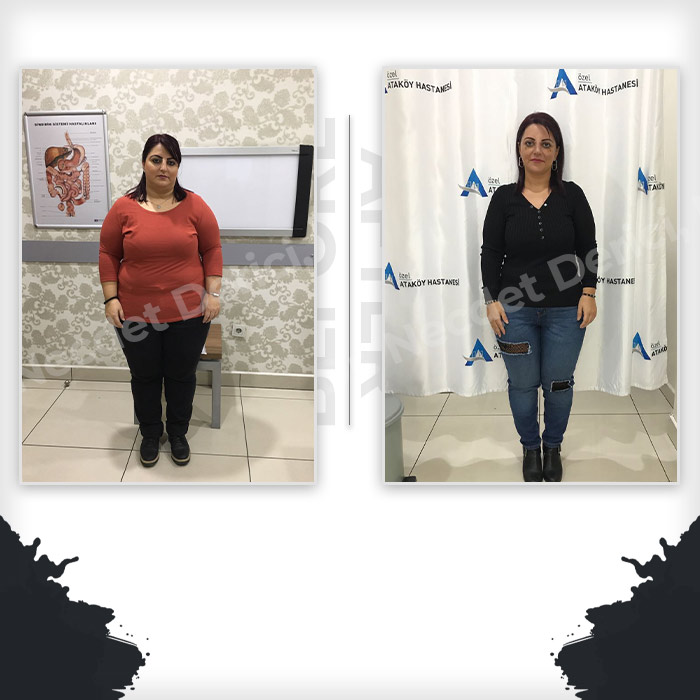 Weight Loss: 45KG
Before: 115KG & After: 70KG
Weight Loss: 45KG
Before: 115KG & After: 70KG
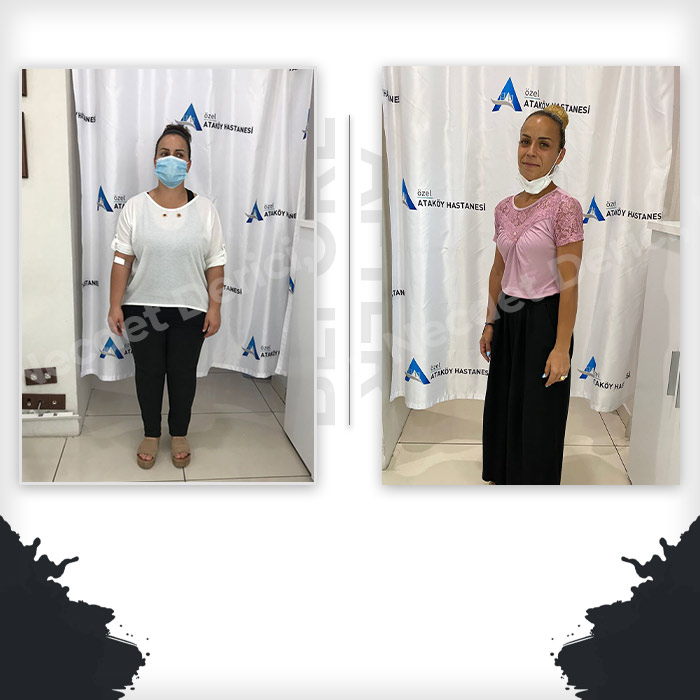 Weight Loss: 33KG
Before: 80KG & After: 47KG
Weight Loss: 33KG
Before: 80KG & After: 47KG
Free Consultation Form
Professional Gastric Sleeve and Bypass
Surgery in Turkey
Look good, feel good, live well.
Sleeve gastrectomy is a bariatric surgery that renders the stomach smaller, after which, the patient will not be able to eat the same volumes of food he used to eat before. The gastric sleeve method proved its efficiency with a success rate of up to 90 percent. A surgical process in which the size of the stomach is reduced and the first portion of the small intestine is bypassed, which restricts food intake and reduces caloric absorption. Gastric bypass is the most effective treatment for morbid obesity as the resulting weight loss is typically dramatic.

Look Your Best, Feel Your Best
With special consultancy services; You can get detailed information about the treatment you want.
VIP
SERVICE
LUXURY
HOTEL
SATISFACTION
100%
Planing
Your Medical Trip
Qualified Plastic Surgeon
Once you have determined that a procedure is appropriate and you have selected a qualified plastic surgeon, you are ready to begin planning your medical travel. A qualified plastic surgeon can help you plan your medical travel.
Professional Consulting
Our team will connect with you and answer all your questions. It will help you. In this way, it will give you information to get the results you want.
Medical Planning
Our Coordinators will contact you to make an appointment. Your trip is organized by our Coordinators. They are the ones that you cannot live in order for you not to live.
Worldwide Transportation
We will assist you to arrive at the Airport in Istanbul and from there to the area where you are staying. Your trip will be very comfortable.
Luxury Accommodation
We will provide you with luxury accommodation. Your hotel will be as close to our hospital as possible.
Detailed Medical Follow-Up
Our doctor will continue to be in contact with you after the surgery. It will follow the developments and follow a path accordingly.
Istanbul Travel Guide
During your stay, you will have the opportunity to visit the most beautiful places of Istanbul. This may come across as an excellent option for you to travel.
Free Consultation Form

Body Mass Index Calculator
| Weak | less than 18.5 |
| Ideal | 18,5 - 25 |
| Overweight | 25 - 30 |
| Obese | 30 - 40 |
| Morbid Obese | 40 - 50 |
| Super Obese | more than 50 |
FAQ
The main advantage of gastric sleeve surgery is that it does not need to create a new connection between the stomach and small bowel (anastomosis). Long term complications are less likely to occur with the gastric sleeve procedure than they are with gastric bypass surgery. There is almost no risk for internal hernia or marginal ulcers after gastric sleeve surgery because there is no anastomosis. Both complications are most commonly associated with gastric bypass surgery. The chance of nutrient deficiency is also less likely with the gastric sleeve surgery than with gastric bypass surgery because there is no malabsorption.
Most patients go home the day after surgery. Those who are recovering from this operationa are encouraged to should be able to drink plenty of water to stay hydrated. Pain from the small incisions can usually be alleviated with oral pain medications at home. Almost all the patients are expected to walk a few hours after gastric sleeve surgery and can start their clear liquid diet the morning after their surgery.
Gastric sleeve recovery time depends on your condition and procedure. If you have gastric sleeve — also known as sleeve gastrectomy — you can usually return home the second day after surgery. Most people return to work or other daily routines in 5 to 10 days.
It’s common to lose 50 to 70% of excess weight over a one- to two-year period after gastric sleeve.
It is common to experience some discomfort after gastric sleeve surgery. The pain will mainly tend to be from the abdomen, but you may also experience some mild left shoulder pain as a result of the gas (carbon dioxide) that is used to inflate the abdomen during the operation. However, whatever discomfort you do experience is usually quickly alleviated by simple painkillers.
On average we expect weight loss results for gastric bypass patients to be approx. 70% of their excess weight*. Obviously some people will do better and some not as well as this.
Generally there is minimal scarring with a gastric bypass. The operating ports are placed in the abdomen through 5 narrow (0.5 cm) incisions which are sutured and/or glued and will normally heal in about 10-14 days. The scars should fade gradually. Some individuals have a greater tendency to form keloid which may result in thicker and more prominent scars.
Research has shown that nutrient deficiencies are common after bariatric surgery. You may not be absorbing or utilizing nutrients in the same way and your food intake is restricted. Therefore, your requirements for vitamins and minerals are higher than they were before surgery. Once you have surgery you are committing to taking the necessary supplements permanently. If vitamin and mineral deficiencies become severe, you can have very serious and permanent complications.
wo weeks before your surgery, you are required to follow a liquid meal replacement diet. The purpose of this diet is to reduce the size of the liver to make surgery safer. This diet includes protein shakes, several “approved” snacks (eg, sugar-free pudding, yogurt and sugar-free gelatin), and plenty of clear liquids (water, broth, sugar-free jello and popsicles). Your registered dietitian will go over the details of this diet once your surgery is scheduled.
Possibly. The amount of lax skin depends upon your age and weight before your procedure. Generally, the heavier and older you are, the more likely you are to have lax skin. Younger patients have a greater degree of natural elasticity in the skin, so there is a lot of re-modelling as weight loss progresses.
The most common need is to have the abdominal apron removed, though some patients have more extensive “body-contouring”. Whatever your inclination, you should wait two years before making any decisions about cosmetic surgery. It is imperative that any corrective surgery be done by a specialist surgeon.